
RUBAVU DISTRICT – On January 22nd and 23rd, 2026, the Petite Barrière border post became a hub of strategic dialogue as local authorities, civil society, and cross-border traders gathered for a high-level socialization session and steering committee meeting.
The event marked a pivotal moment for the “Amahoro n’Iterambere” (Peace and Development) Project, focusing on the “systematization” of two years of progress in supporting small-scale trade within Africa’s Great Lakes Region.
Strengthening the Backbone of Regional Trade
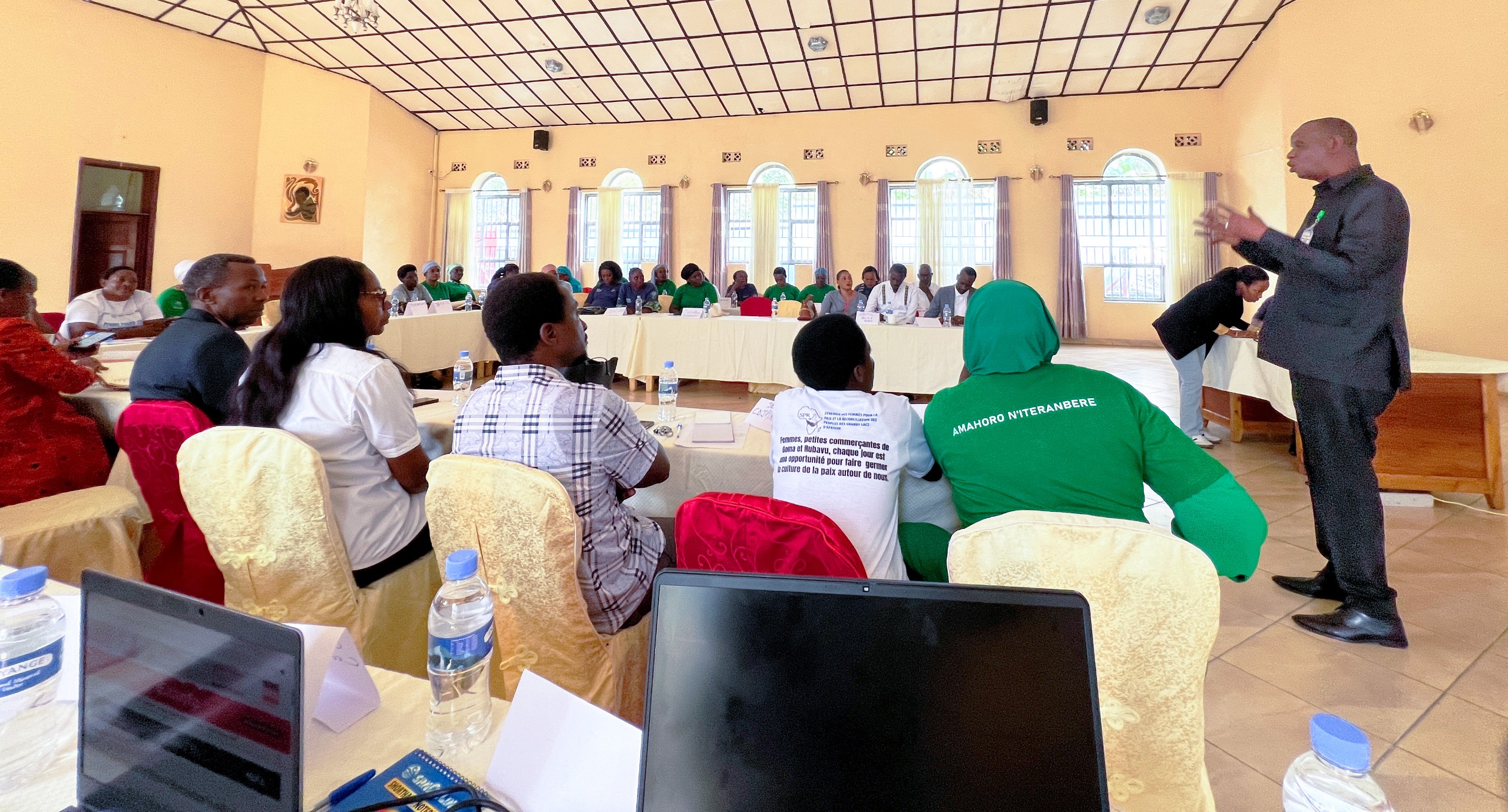
Small-scale cross-border traders; the majority of whom are women, are more than just merchants; they are the economic engine of the border region. The session centered on a roundtable discussion between traders from Rubavu (Rwanda) and Goma (DRC), providing a rare space to:
-
Identify Persistent Challenges: Direct dialogue with authorities regarding safety, taxation, and logistics.
-
Evaluate Solutions: Assessing whether current border policies actually meet the needs of the people on the ground.
-
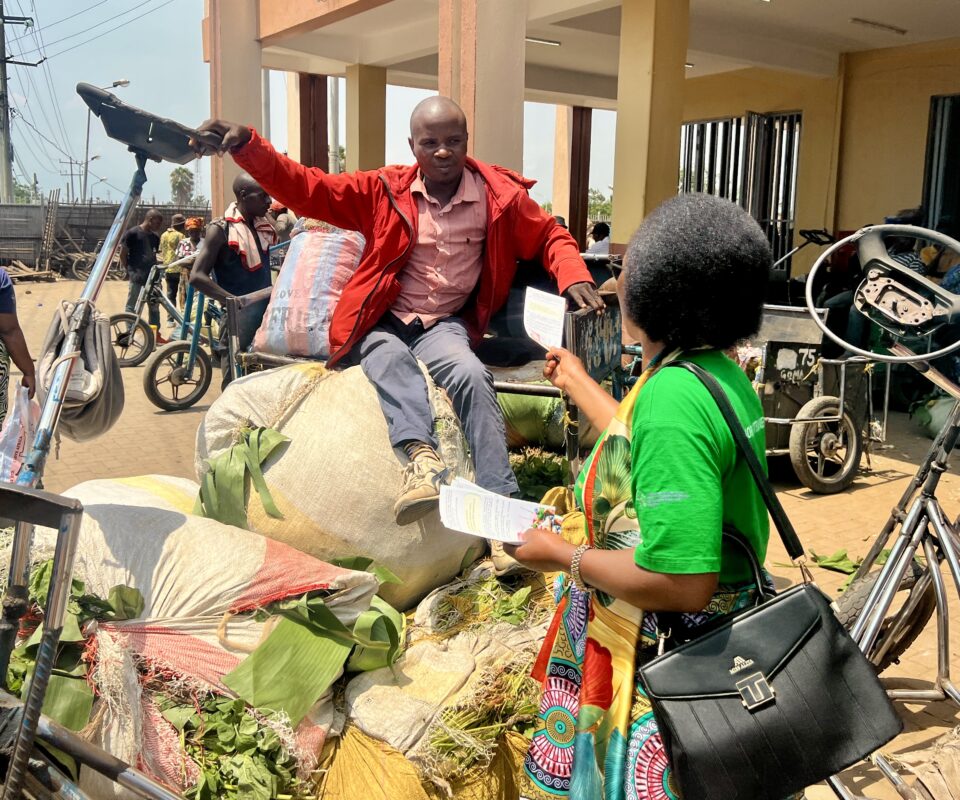
Clarify Rights: The distribution of specialized flyers ensured every trader walked away knowing their specific legal requirements, rights, and obligations.
The Power of Systematization
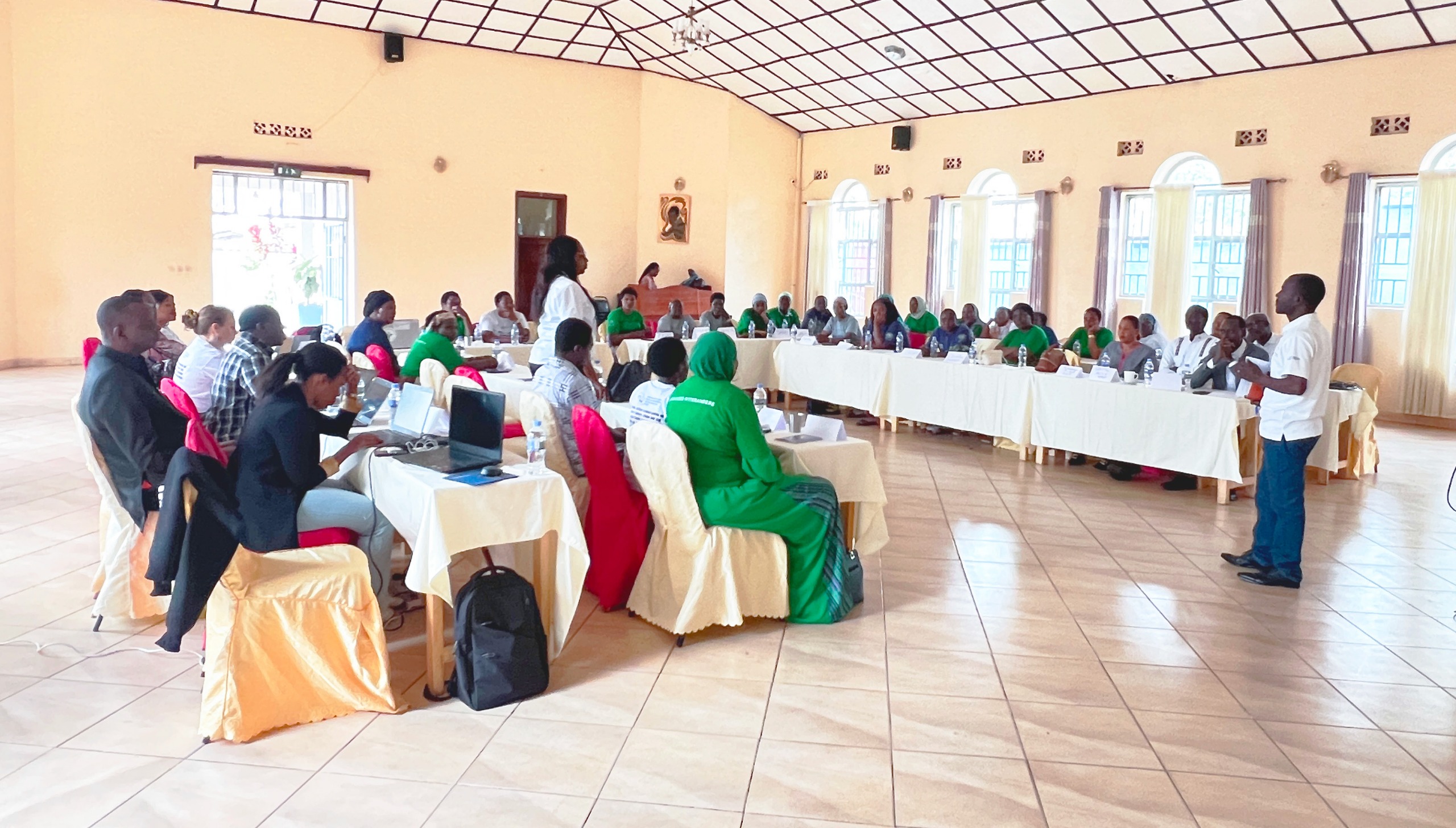
A key highlight of the gathering was the presentation of the project’s systematization results. This report isn’t just a collection of data; it’s a blueprint of the impact achieved over the last 24 months. The findings documented significant positive shifts for:
-
Women Traders: Increased agency and better protection under local laws.
-
Local Authorities: More streamlined processes and improved communication channels.
-
Regional Stability: A clearer link between economic cooperation and long-term peace.
“This report highlights the impact and progress made over the past two years, documenting positive changes that ripple out from the individual trader to the entire community.”
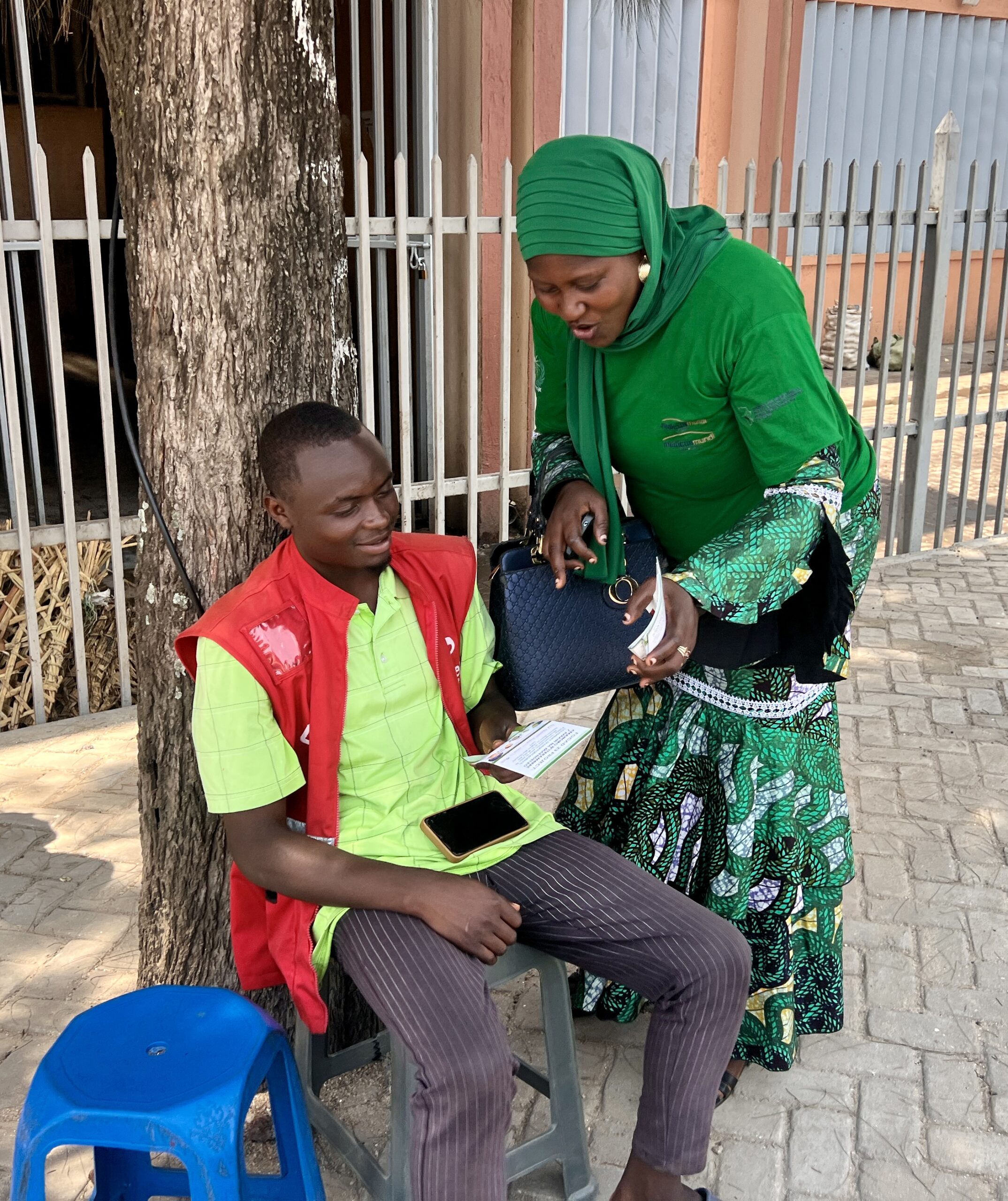
Knowledge on the go! Handing out project flyers at Petite Barrière
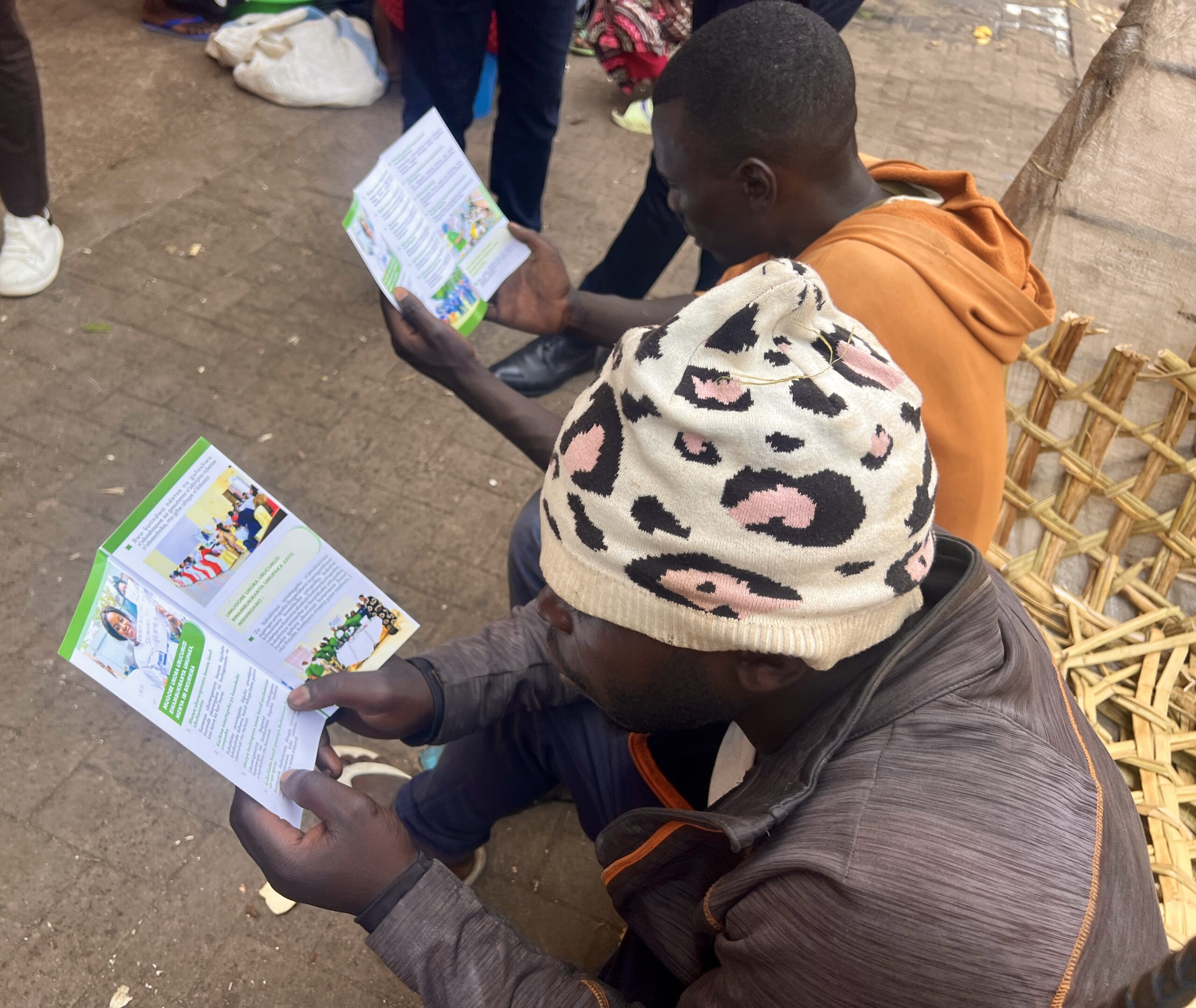
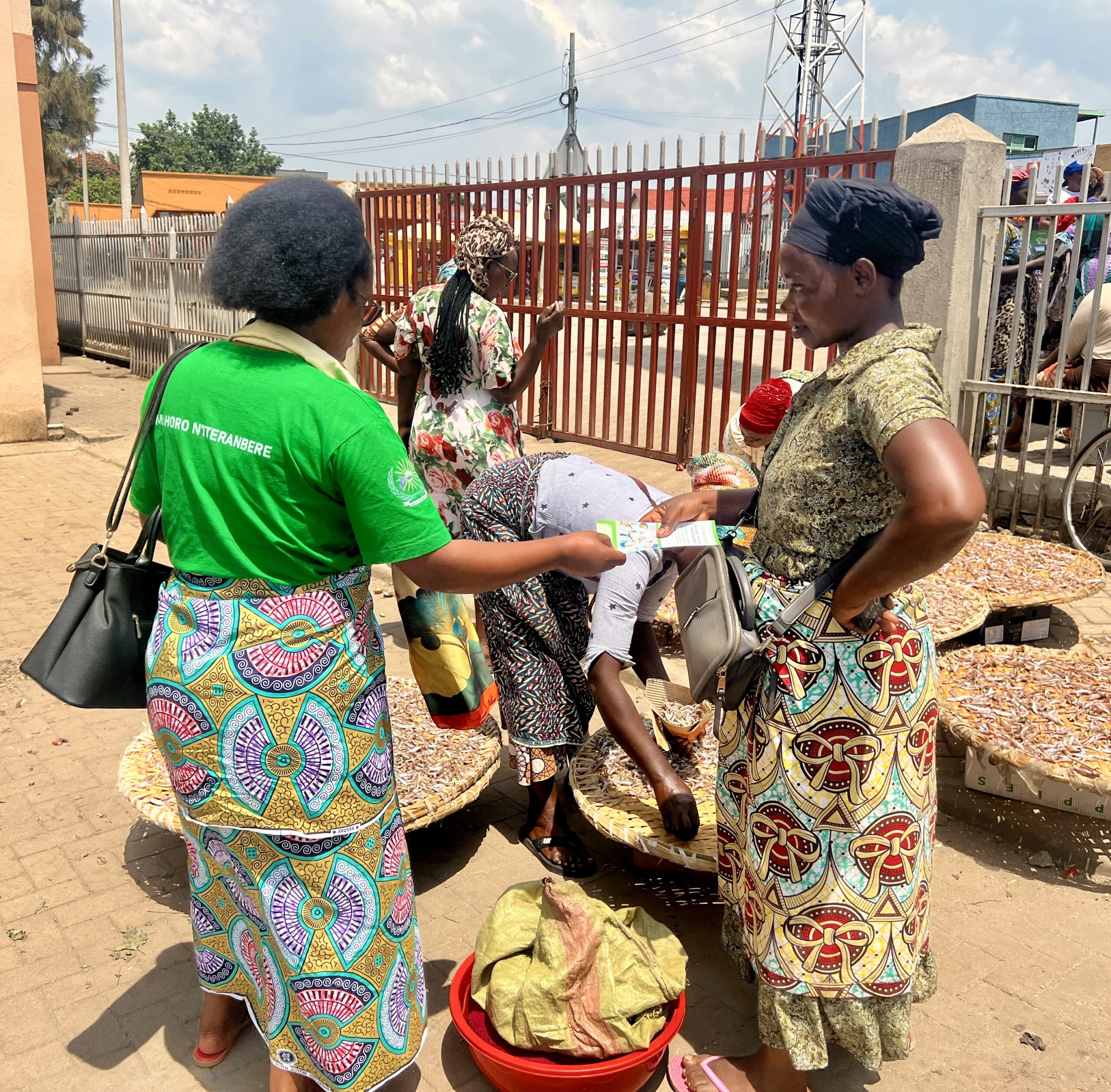
In a true display of bilateral cooperation, the program demonstrated that peace is a two-way street. While the first day’s activities were hosted on the Rwandan side, the momentum shifted across the border today.
The Rwandan delegation has joined their counterparts in the Democratic Republic of the Congo (DRC) to continue the steering committee’s work. This “mobile” meeting style underscores the project’s core philosophy: that development in the Great Lakes Region is impossible without active, hand-in-hand collaboration.
By formalizing the roles of women in trade and clarifying the “rules of the game,” the Amahoro n’Iterambere Project is turning a busy border crossing into a bridge for lasting prosperity.
