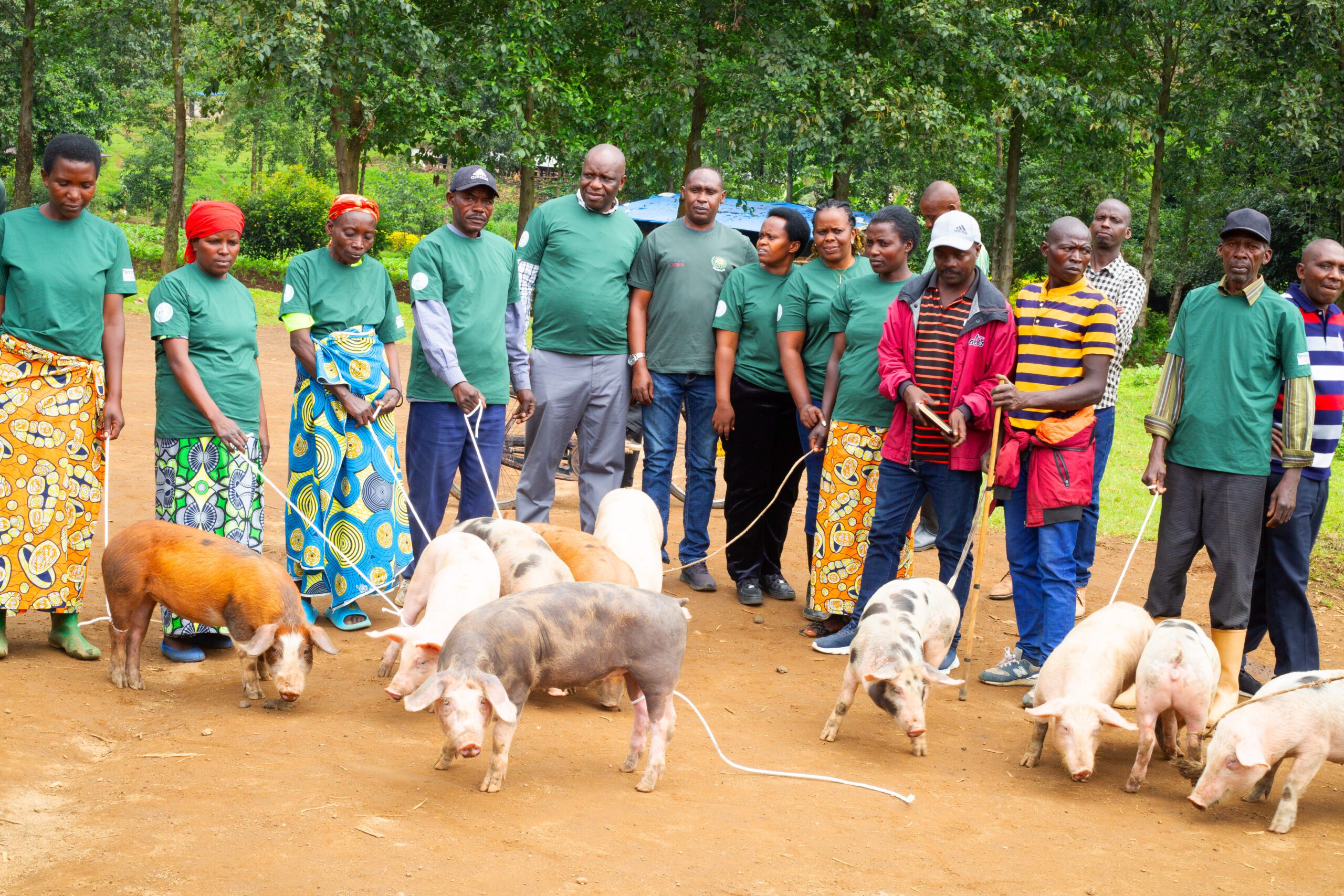

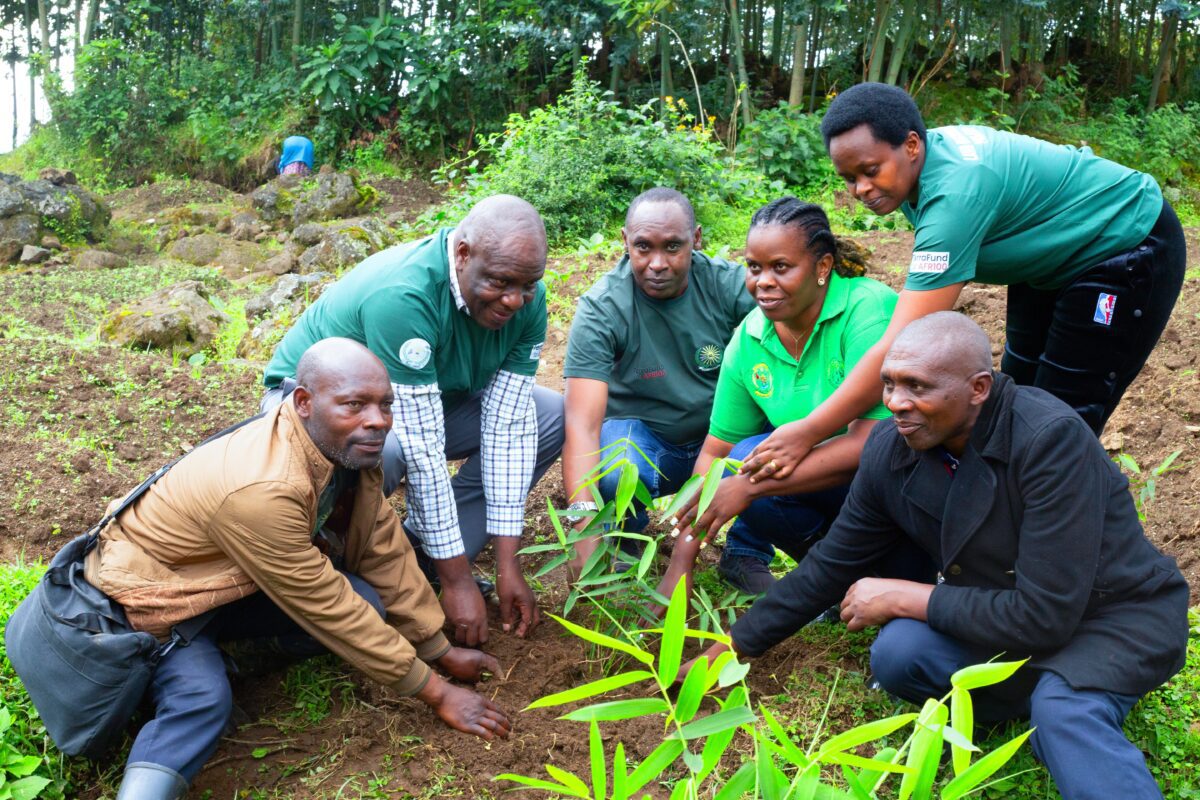
ARDE KUBAHO, together with the leadership of Nyakiriba Sector and the Rubavu District administration, officially launched the second phase of the tree planting season under the environmental protection and landscape restoration project. The project promotes agroforestry by planting a mix of trees, fruit trees, and indigenous species with the aim of controlling soil erosion and increasing agricultural productivity.
The species planted include Alnus, avocado, Markhamia (umusave), Ficus thonningii (umuko), Erythrina abyssinica (umuvumu), as well as bamboo. On this day, a total of 300 trees of different species were planted in Nyamwishyura Village in collaboration with community members organized into 10 groups working with ARDE KUBAHO under this project, which is funded by TerraFund AFR100 under the VIA Foundation.
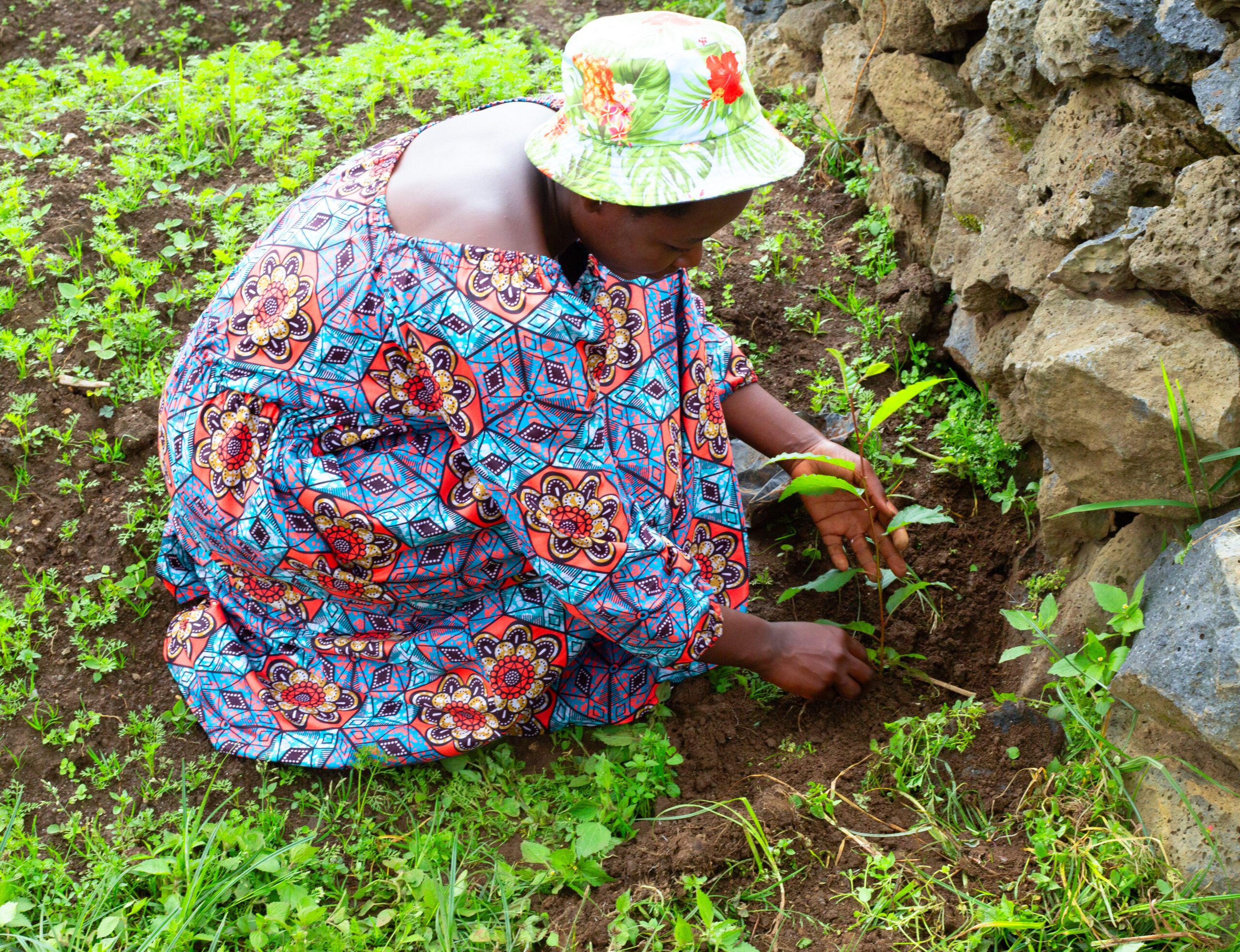
Residents of Nyamwishyura Village actively take part in planting trees as part of Phase 2 of the agroforestry and landscape restoration initiative, contributing to environmental protection and sustainable livelihoods in Rubavu District.
The event was attended by the ARDE KUBAHO legal Representative (Paul MURENZI), other staff members of the organization, the Nyakiriba Sector Agriculture Officer, and the Rubavu District Forestry Officer. In their remarks, the leaders emphasized that “planting a tree is one thing, but nurturing and protecting it until it grows is another.”
They encouraged participants to take good care of the trees already planted under the project, which now total 215,000, so that they can bring long term benefits, under the messages “A Tree Is My Heritage” and “A Tree Is Life.” During the same event, 10 pigs were distributed to 10 selected members from the groups working with ARDE KUBAHO in this project.
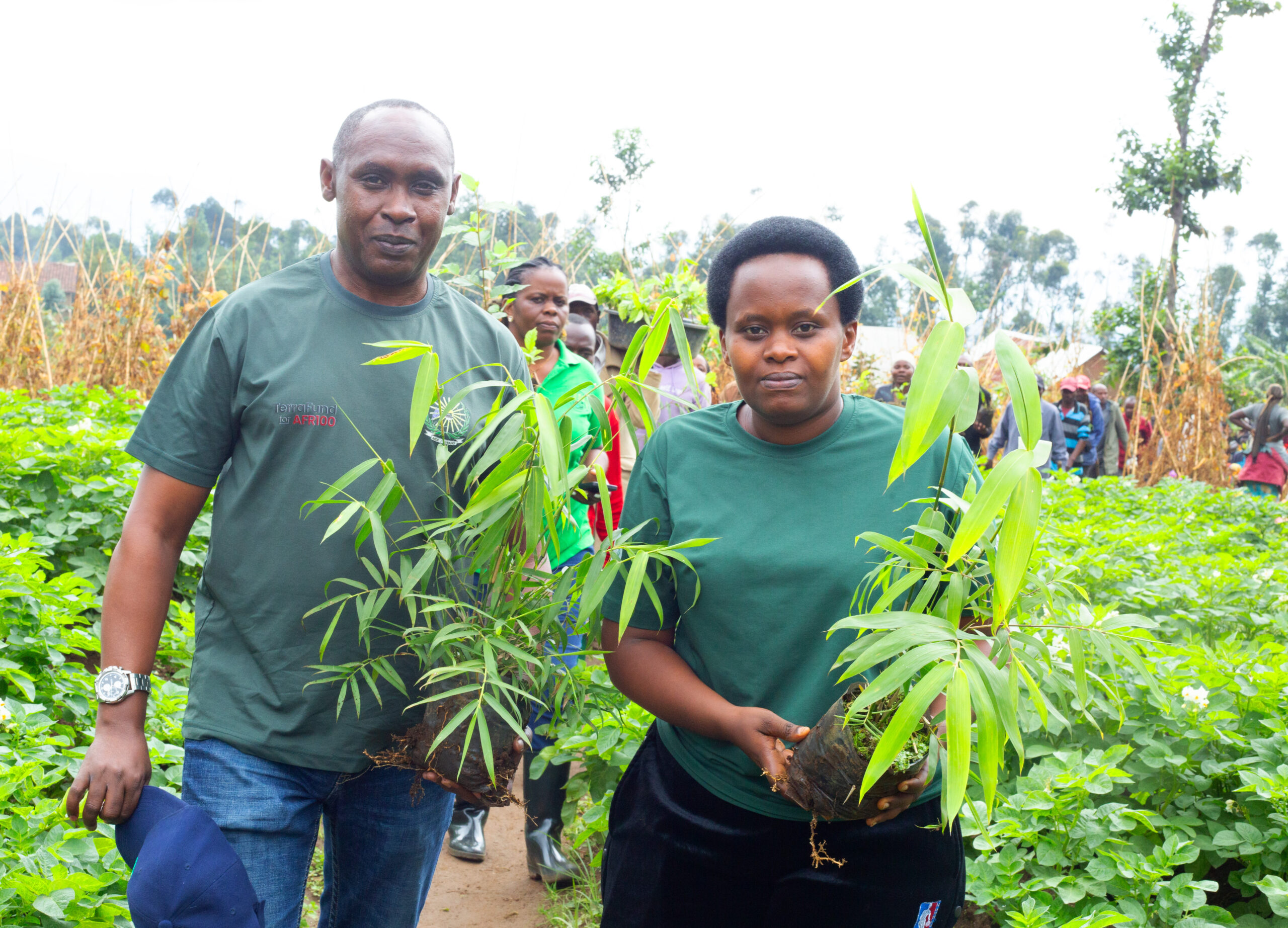
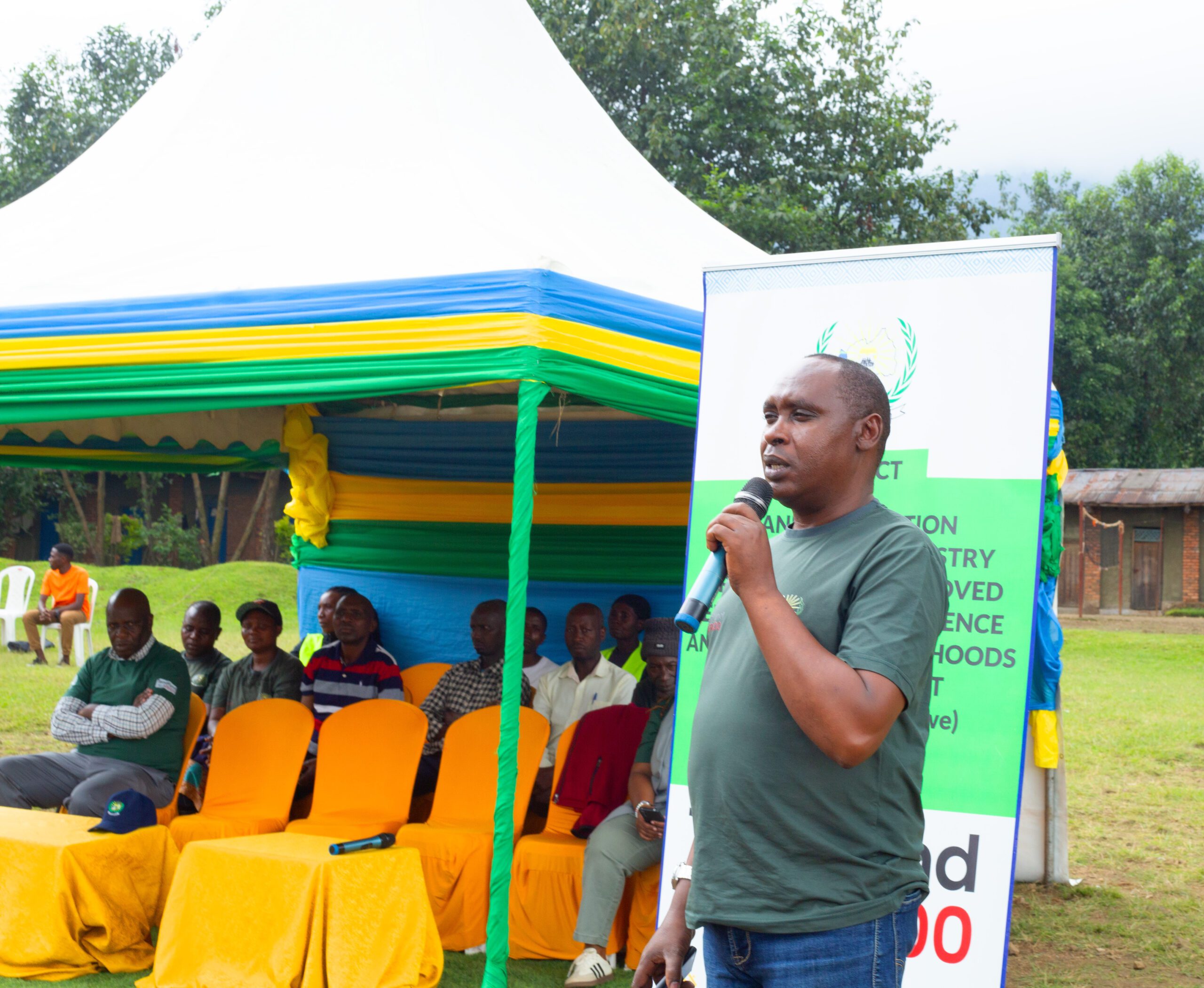
ARDE KUBAHO Legal Representative Paul Murenzi delivers a keynote address during the Phase 2 tree planting launch, emphasizing the importance of nurturing and protecting trees to ensure long term environmental and community benefits.
In collaboration with Nyakiriba and Cyanzarwe Sectors,beneficiaries were chosen from among those on the graduation list who planted and maintained trees, as part of efforts to improve their livelihoods. It is also planned that, as these pigs reproduce, the beneficiaries will pass on piglets to other members of their respective groups.